

Bringing policy resources closer to ethnic minority communities
03:48 PM 14/08/2026 Views: 87 Print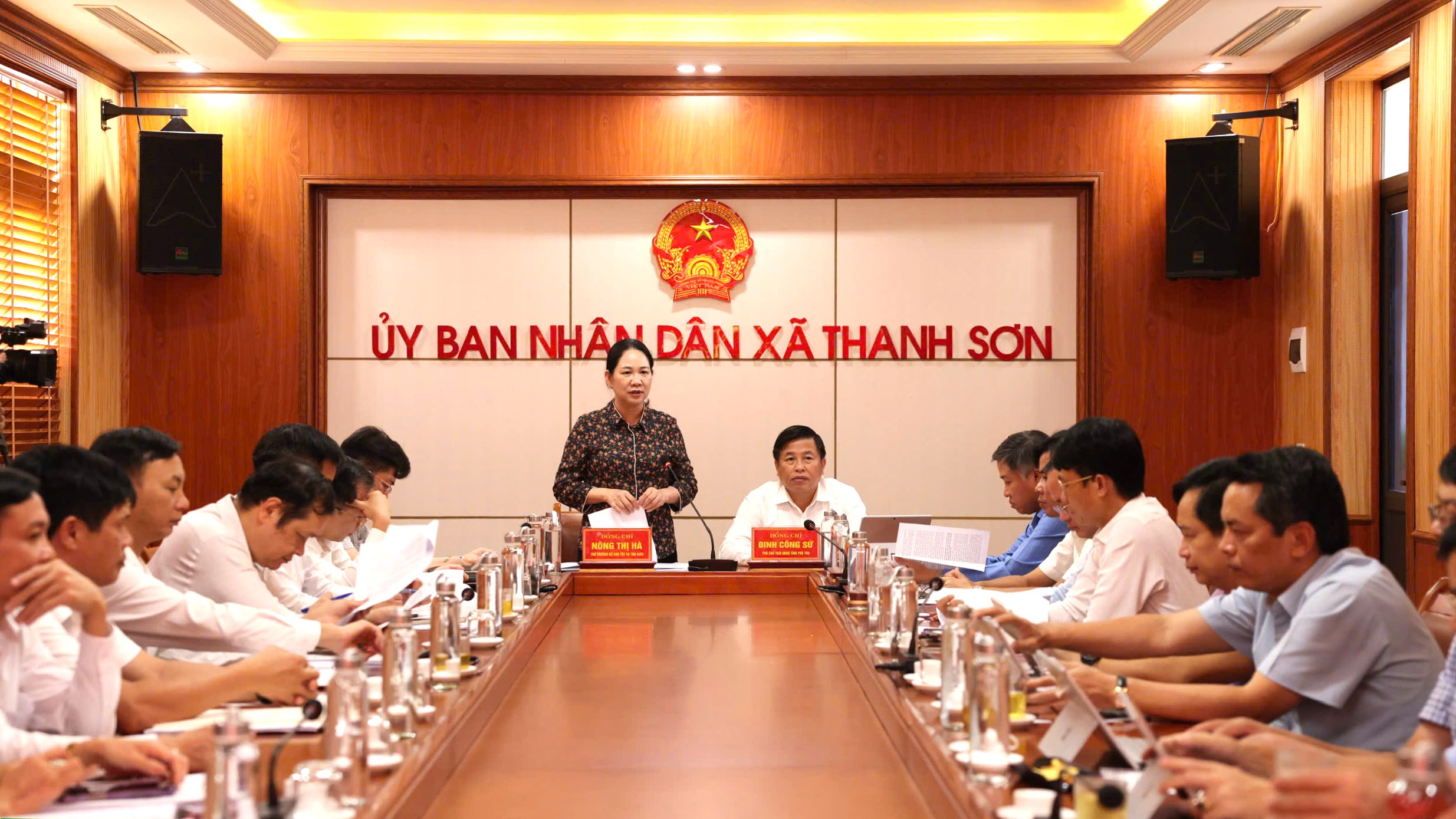
Deputy Minister of Ethnic and Religious Affairs Nông Thị Hà holds a working session with Phú Thọ provincial authorities on ethnic and religious affairs
As Vietnam enters a new phase of development, ethnic policies must go beyond mobilising and allocating resources. More importantly, their implementation must be coordinated and timely, ensuring that every programme and project delivers tangible improvements in essential infrastructure, sustainable livelihoods, employment, incomes and living standards for ethnic minority communities. As the Government agency responsible for state management of ethnic affairs, the Ministry of Ethnic and Religious Affairs continues to improve mechanisms, provide implementation guidance and coordinate resource allocation for ethnic minority and mountainous areas. Developments in Phú Thọ province, including the implementation of funds carried over from previous years, preparations for the 2026–2030 period and efforts to address implementation bottlenecks, demonstrate ongoing efforts to translate policies into practical benefits for local communities.
Policies can only achieve their intended impact when every stage is effectively carried out, from developing the legal and institutional framework, identifying priority areas and eligible beneficiaries, and allocating resources to implementation, inspection and evaluation. This is particularly important in ethnic minority and mountainous areas, where challenging terrain, inadequate infrastructure and limited access to basic services continue to pose significant difficulties.
In ethnic affairs, the Ministry of Ethnic and Religious Affairs is responsible for advising the Government and Prime Minister on ethnic policies, strategies, plans and national target programmes; issuing documents and providing implementation guidance within its remit; monitoring and inspecting policy implementation in localities; providing professional training and capacity-building; and developing information and data systems to support policymaking. These responsibilities provide the foundation for ensuring that State resources are allocated according to clearly defined priorities, reach the intended areas and better address the actual needs of ethnic minority communities.

A field survey of a local economic development model in Lai Đồng commune, Phú Thọ province
Measuring the effectiveness of resources through tangible improvements at the grassroots level
During the first six months of 2026, the situation in ethnic minority and mountainous areas of Phú Thọ province remained generally stable. People from different ethnic groups actively participated in socio-economic development, maintained security and public order, and contributed to cultural life in their communities. Social welfare programmes and policies supporting education, healthcare and production development continued to be implemented by authorities at various levels.
Nevertheless, fundamental challenges persist. Incomes remain low among certain segments of the population, while poverty and near-poverty rates in ethnic minority and mountainous areas, particularly extremely disadvantaged localities, remain higher than in other regions. Infrastructure development is uneven, and some areas continue to face shortages of agricultural land, domestic water supplies, healthcare and educational services. Difficult terrain and limitations in production organisation also affect local people's ability to establish stable livelihoods and increase their incomes.
These realities demonstrate that ethnic policies cannot be considered successful merely because administrative procedures have been completed or sufficient funding has been allocated. Their effectiveness must be measured by the number of facilities brought into operation, households benefiting from improved living and production conditions, better access to essential services, employment opportunities created and improvements in people's living standards.
One tangible achievement in Phú Thọ is the completion, acceptance and handover of eight facilities under the Socio-Economic Development Project for Mông Ethnic Communities in the former Hang Kia and Pà Cò communes of Mai Châu district, now incorporated into Pà Cò commune. Although the report does not provide details of individual project components, the completion and commissioning of these facilities demonstrate how policy resources are gradually being translated into practical outcomes that directly benefit local communities.
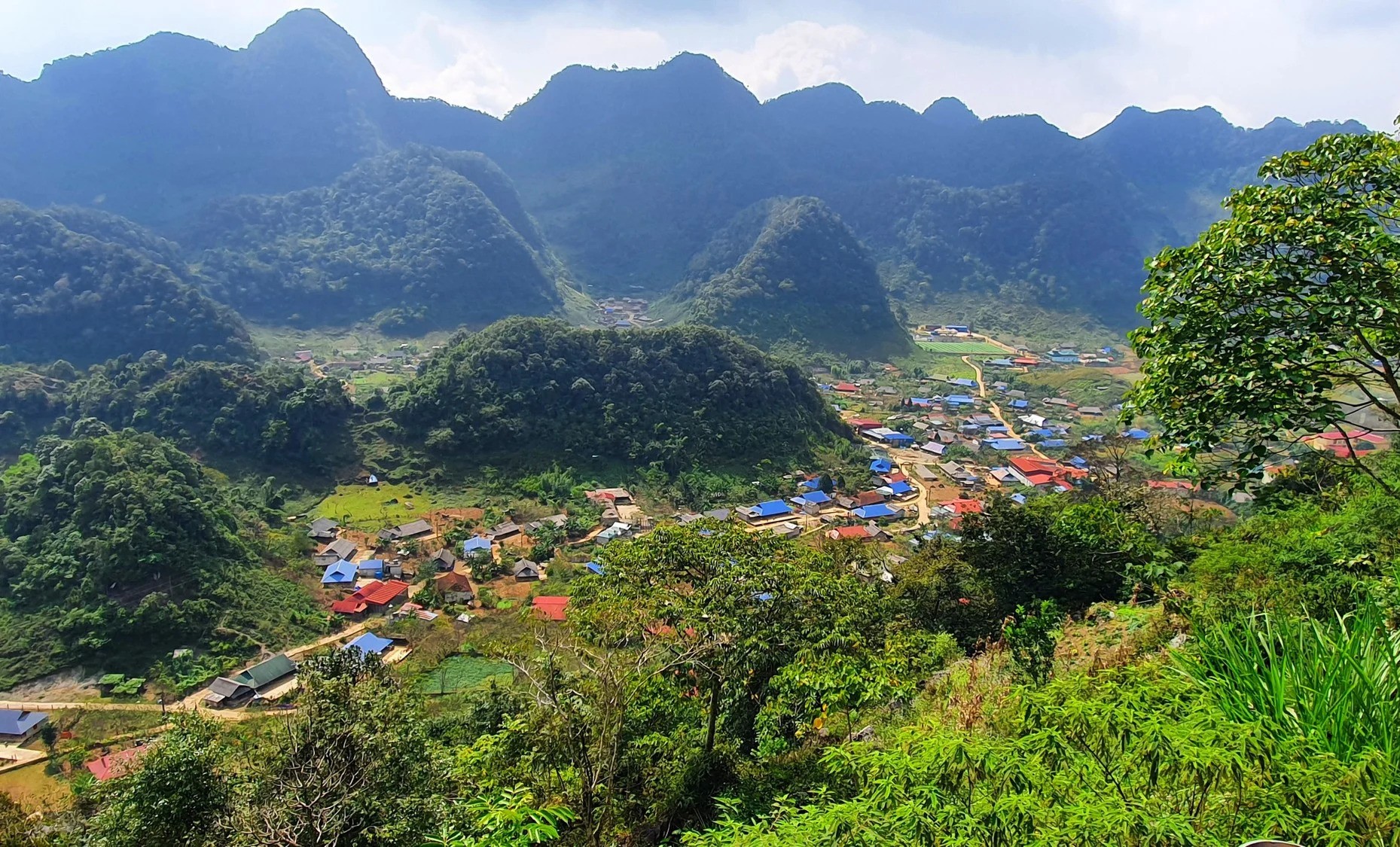
A panoramic view of the former Hang Kia and Pà Cò communes in Mai Châu district, now part of Pà Cò commune, Phú Thọ province. (Source: Collected photo)
Accelerating the disbursement of funds carried over from previous years
One of Phú Thọ's key priorities in 2026 is to implement funding carried over from previous years under the National Target Programme on Socio-Economic Development in Ethnic Minority and Mountainous Areas.
According to the Phú Thọ provincial Department of Ethnic and Religious Affairs, more than VND 488.13 billion has been carried over for implementation in 2026, comprising approximately VND 173.36 billion in development investment funding and VND 314.77 billion in recurrent expenditure funding. As of May 31, 2026, cumulative disbursement of development investment funding was estimated at VND 24.634 billion, while disbursement of recurrent expenditure funding had reached VND 8.676 billion as of April 30, 2026.
To facilitate implementation, the province's specialised agencies have advised on the issuance of plans for utilising the carried-over funds; developed plans for inspection, supervision, monitoring and evaluation; prepared training and capacity-building activities for communities and officials responsible for programme implementation at various levels; and reviewed data on ethnic minority households that received housing support during the 2021–2025 period.
Nevertheless, the implementation and disbursement of funding for certain programme components, projects and subprojects in localities remain behind schedule. The transition to the two-tier local government model, changes in the agencies responsible for implementation and uneven capacity among grassroots officials have affected progress to varying degrees. Some commune-level officials responsible for ethnic affairs concurrently perform other duties, face frequent changes in their assignments and have limited experience in providing policy advice and managing programmes and projects.
This is not merely a matter of financial disbursement. Delays in funding also mean that infrastructure facilities, livelihood development models and support activities cannot reach local people as promptly as intended. Therefore, alongside proactive efforts by local authorities, guidance, coordination and the timely resolution of difficulties by central agencies are particularly important.
The priorities for 2026 include accelerating the disbursement of funds allocated by the central Government, promptly issuing outstanding implementation guidelines, resolving inconsistencies and ensuring a coherent legal framework for local implementation. For the Ministry of Ethnic and Religious Affairs, key responsibilities include providing guidance and addressing difficulties in implementing the component on socio-economic development in ethnic minority and mountainous areas; coordinating inspections and monitoring the use of funds from the 2021–2025 period extended into 2026; and ensuring that policies reach the intended areas and beneficiaries and respond to people's essential needs.
Ensuring policies target the right areas and beneficiaries
The year 2026 also marks a transition between two policy implementation periods. Alongside completing outstanding tasks and utilising funding from the 2021–2025 period, localities must prepare for the implementation of the National Target Programme on New Rural Development, Sustainable Poverty Reduction and Socio-Economic Development in Ethnic Minority and Mountainous Areas for 2026–2035, with Phase I covering 2026–2030.
In Phú Thọ, specialised agencies have reviewed objectives, tasks and funding requirements for specific measures aimed at developing ethnic minority and mountainous areas. The province has also provided comments on the draft programme, proposed the establishment of a steering committee and supporting bodies, and coordinated efforts to develop principles, criteria and norms for State budget allocation. In addition, it has assessed investment effectiveness during the previous period and prepared its proposed medium-term public investment plan for 2026–2030.
A particularly important task directly affecting resource allocation is reviewing and identifying communes and villages in ethnic minority and mountainous areas; classifying communes into Areas I, II and III and identifying extremely disadvantaged villages; and determining which ethnic minority groups continue to face difficulties or specific disadvantages during the 2026–2030 period. These classifications serve not only statistical purposes but also provide an important basis for determining the geographical coverage, eligible beneficiaries and priority levels of individual policies.
Without accurate identification of priority areas and beneficiaries, resources may be spread too thinly or fail to reach communities with the most urgent needs. Conversely, comprehensive and up-to-date data will enable central agencies to formulate policies that better reflect actual conditions while allowing local authorities to proactively select appropriate investment and support priorities.
Accordingly, the Ministry of Ethnic and Religious Affairs has a role that extends beyond formulating general policies. It also involves providing guidance on assessment methodologies, standardising data, consolidating funding requirements submitted by localities and advising on criteria for resource allocation. The Ministry must also regularly monitor changes in local conditions, living standards and community needs to recommend timely adjustments to policies and measures that are no longer appropriate.
Greater decentralisation must be accompanied by effective guidance
The integration of national target programmes and the strengthening of decentralisation and delegation of authority have given localities greater autonomy. Provincial authorities are better positioned to select projects, development models and implementation approaches suited to local circumstances. However, decentralisation can only be effective when accompanied by clear implementation guidelines, well-coordinated mechanisms and regular inspection and supervision.
Within this framework, the Ministry of Ethnic and Religious Affairs plays a leading role in policy development for the component on socio-economic development in ethnic minority and mountainous areas. Based on recommendations from the grassroots level, the Ministry advises on improving specific policies, coordinates with other ministries and sectors to address cross-sectoral issues, guides localities in identifying appropriate objectives, beneficiaries and investment needs, and inspects implementation results. Such assessments must examine not only disbursement rates but also the quality of outcomes delivered by individual programmes and projects.
This approach reflects the requirements of programme management in the new development period, under which inspection and supervision must focus on substantive effectiveness, assess the extent to which objectives have been achieved and evaluate the impact on people's lives. Urgent needs, including residential land, housing, agricultural land, electricity, domestic water supplies and livelihoods, require separate monitoring to promptly identify underserved areas and adjust resource allocation priorities accordingly.
Alongside improvements to the institutional framework and implementation guidance, strengthening the capacity of grassroots officials is essential. Even a well-designed policy may be slow to produce results if implementing officials lack a thorough understanding of regulations or sufficient skills in planning, project management and needs assessment. Continued professional training organised by the Ministry, the development of standardised guidance materials and support for local authorities in addressing emerging issues will help narrow the gap between policy provisions and their practical implementation.
Ensuring every đồng delivers development value
Experience from Phú Thọ demonstrates that bringing policy resources closer to ethnic minority communities is a continuous process requiring close coordination between central and local authorities. Central agencies must formulate clear, stable and feasible policies, while local authorities must proactively assess needs, identify appropriate priorities, organise implementation and take responsibility for results. Difficulties arising at the grassroots level must be reported promptly so that competent authorities can provide guidance, make necessary adjustments and resolve obstacles.
During the second half of 2026, Phú Thọ will continue to prioritise accelerating the implementation of programmes and projects and the disbursement of funds carried over from previous years. The province will also strengthen inspection and supervision, review difficulties and obstacles to identify appropriate solutions, and finalise objectives, tasks and investment requirements for the 2026–2030 period. In addition, provincial authorities have requested that the Ministry of Ethnic and Religious Affairs continue to provide guidance, monitor implementation, help resolve difficulties and strengthen professional training and capacity-building for officials responsible for ethnic affairs.
The ultimate objective is not to disburse all available funding at any cost, but to ensure that resources are used for their intended purposes, economically and efficiently, and generate sustainable improvements. Every completed infrastructure facility must meet genuine community needs; every support model must contribute to livelihood development; and every policy must improve people's access to essential services and provide greater opportunities to improve their circumstances.
When the Ministry's policy advice is firmly grounded in practical conditions, resource allocation is closely coordinated, implementation guidance is provided promptly and local authorities fully discharge their responsibilities, the gap between policy formulation and real-life outcomes will gradually narrow. This is also how State resources can become an effective driver of development, helping reduce regional disparities and improve the material and spiritual well-being of ethnic minority communities and people living in mountainous areas.
Thành Long
THỐNG KÊ TRUY CẬP
Số lượt truy cập hiện tại: 46
Tổng số truy cập: