

Bringing ethnic policies into everyday life
10:28 PM 03/09/2026 Views: 66 PrintThe coordinated implementation of ethnic policies, backed by resources from national target programs, is bringing clear changes to ethnic minority and mountainous areas. Lao Cai province’s experience shows that when policies are carried out close to the grassroots and meet real needs, investment does more than change the face of rural areas. It also opens up livelihoods, raises incomes and strengthens people’s trust.
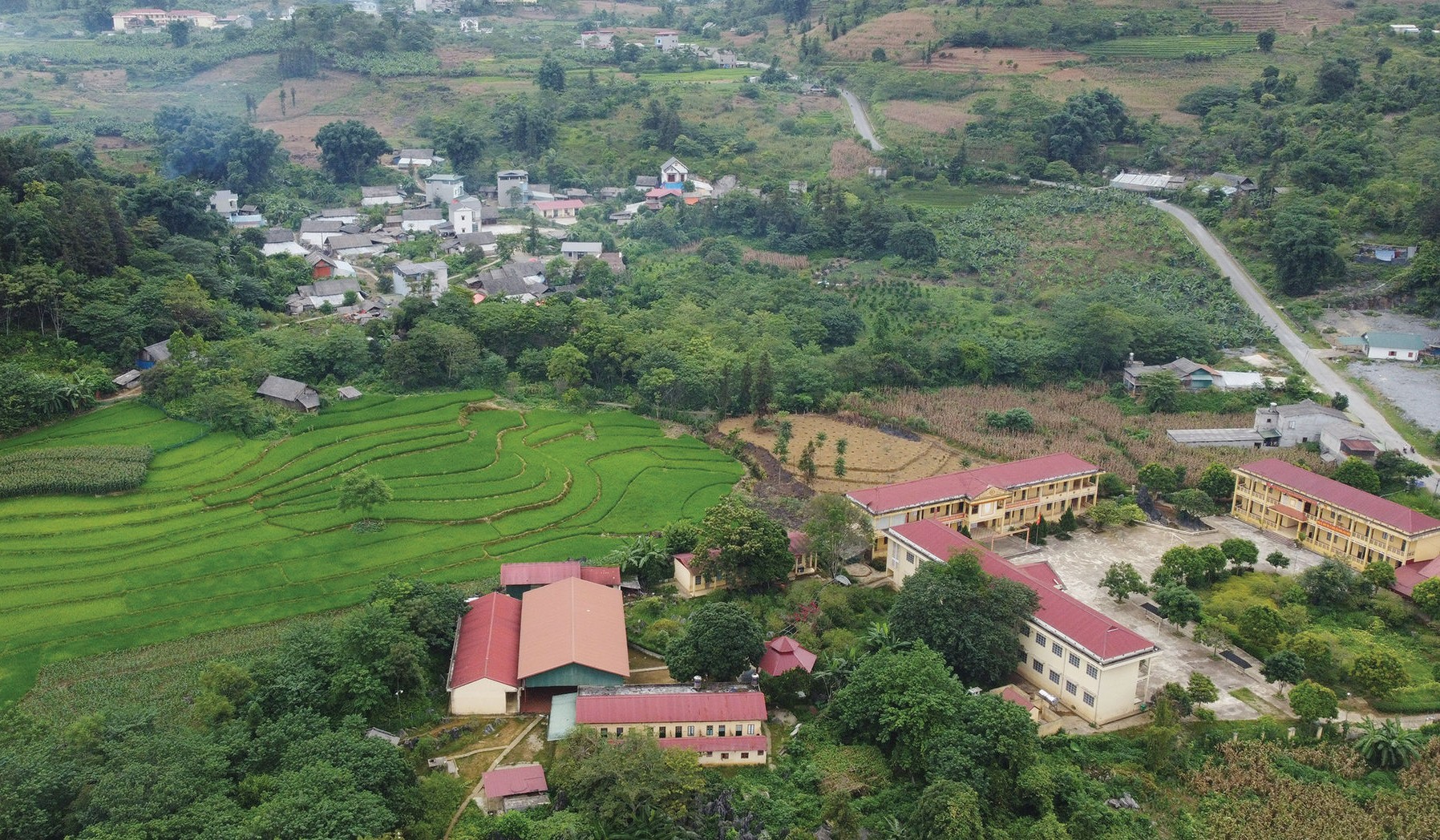
Policy resources bring clear changes
Lao Cai province is a mountainous border province with a large area, rugged terrain and a scattered population. Many ethnic minority people there still face difficulties. Under the list of communes and villages in ethnic minority and mountainous areas for 2026–2030 approved by the provincial People’s Committee, the province has 95 communes in these areas. They include 12 Region I communes, 36 Region II communes and 47 Region III communes. The province also has 2,438 villages in ethnic minority and mountainous areas, including 1,033 extremely disadvantaged villages.
In this context, the province has closely integrated the implementation of the Government’s Decree No. 05/2011/NĐ-CP on ethnic affairs and Decree No. 127/2024/NĐ-CP, which amends and supplements several articles of Decree No. 05/2011/NĐ-CP, into its socio-economic development resolutions, programs and plans. The focus is the National Target Program on Socio-Economic Development in Ethnic Minority and Mountainous Areas.
In the 2021–2025 period, the program allocated more than VND6.3 trillion to Lao Cai. This included nearly VND3.46 trillion in investment capital and more than VND2.84 trillion in recurrent funding. The money was focused on essential infrastructure, production development, livelihood diversification, and better access to education, healthcare and basic social services.
The effectiveness of the policies is reflected in indicators directly linked to people’s lives. The poverty rate among ethnic minority households fell by an average of 6.36% a year, 0.36 percentage points higher than the assigned target. The average income of ethnic minority people roughly doubled from the start of the period, reaching over VND33 million per person per year. To date, all communes have asphalt or concrete roads to their centers. More than 95% of villages have hard-surfaced roads to their centers.
From essential infrastructure to sustainable livelihoods
These overall results are even clearer in the changes in each locality. A Mu Sung Commune now has 1,579 households with 6,014 people, over 98% of whom are ethnic minorities. Its poverty rate was above 40% at the end of 2024 and fell to 28.23% by the end of 2025. Per capita income reached nearly VND33 million a year. Electricity, roads, schools, health stations and many other public works continue to receive investment, gradually meeting people’s basic needs.
In 2025 alone, A Mu Sung received over VND50 billion from national target programs to boost socio-economic development. This included more than VND26 billion in public investment and nearly VND24 billion in recurrent funding. These resources have helped the commune complete its infrastructure, support local people in developing production and gradually address the specific difficulties of a mountainous border commune.
Notably, the policies do not stop at building infrastructure. With better infrastructure in place, local authorities have stepped up efforts to encourage people to switch to crops and livestock suited to the local climate, soil and market demand. Besides traditional rice and corn, many households now grow high-value crops such as medicinal herbs, tea, bananas and cinnamon. This has created more jobs, raised incomes and gradually reduced dependence on state support.
Experience shows that investment is most effective when infrastructure is linked to production plans and local people’s participation. A hard-surfaced road only brings real value when it helps farm produce reach markets more easily. A livelihood model can only be sustainable when people receive technical guidance, have links to buyers and take the initiative in organizing production. This is also how support resources turn into the capacity of each household and community to rise on their own.
Strengthening human resources in ethnic minority and mountainous areas
Alongside investment in infrastructure and livelihood support, Lào Cai has implemented many policies that directly affect the quality of human resources, cultural life and community safety. These include policies for prestigious people in ethnic minority communities and efforts to reduce child marriage and consanguineous marriage. They also cover communication campaigns on crime and drug prevention, the promotion of gender equality, and training for ethnic minority officials, civil servants and public employees. Others focus on developing education and healthcare, building new-style rural areas and reducing poverty sustainably.
Carrying out these policy groups at the same time shows an increasingly comprehensive approach to ethnic affairs. The goal is not only to support a single project or production model. It is also to create conditions for people to have better access to basic services, raise their awareness, play a central role in development and preserve the good cultural values of their communities.
In this process, grassroots officials and prestigious people serve as an important bridge. When guidelines and policies are explained in simple language and linked to the needs and conditions of each village, people take an active part in implementing and monitoring them. Public consensus is therefore both a condition for and a measure of the quality of policy implementation.
Improving mechanisms and policies for ethnic minority and mountainous areas
Despite these achievements, practice also shows the need to further improve the mechanisms for implementing ethnic policies in the new period. First, the decentralization, delegation of power and responsibilities of each level of government should be made clearer to suit the two-tier local government model. Specific mechanisms for inter-sectoral coordination should also be set out to avoid overlaps and gaps in implementation.
Mechanisms for integrating and coordinating resources also need to be more flexible. Localities should be given more autonomy within each program, while ensuring that funds reach the right goals and beneficiaries and that supervision is strengthened. Promptly removing procedural obstacles will help speed up progress, improve disbursement and deliver resources to people sooner.
Another important task is to accelerate digital transformation and build a national database on ethnic affairs. This will form a unified nationwide system for tracking, management and supervision. Complete, accurate and regularly updated data will help identify needs and beneficiaries correctly and limit policy overlaps. It will also provide a basis for assessing investment efficiency through real changes in the lives of ethnic minority people.
Lao Cai’s experience shows that ethnic policies come to life when sound guidelines go hand in hand with adequate resources, practical approaches and people’s active participation. New roads, emerging livelihood models, falling poverty rates and rising incomes are clear proof of the policies’ effectiveness. They also lay the foundation for ethnic minority and mountainous areas to develop faster and more sustainably, so that everyone can enjoy the fruits of development and no one is left behind.
Hương Huyền
THỐNG KÊ TRUY CẬP
Số lượt truy cập hiện tại: 32
Tổng số truy cập: